

In a fast-paced Dubai workshop, sheets of metal are formed into complex shapes — some by hand-controlled techniques, others by laser-precise automation. Which delivers better results, saves time and reduces mistakes? The answer depends on scale, complexity and precision.
In metal fabrication, the choice between CNC and traditional bending is strategic — it affects the quality, consistency and timeline of your project. Founded in 2022 and led by a team with over 20 years of experience across the GCC, Morshedi helps engineers and project managers choose the right approach for each job.
New to the benefits? See our guide to the benefits of CNC bending and tube laser cutting in modern construction.
check out our article on Top 5 Powerful Benefits of CNC Bending and Tube Laser Cutting in Modern Construction.
What is CNC bending and how does it work?
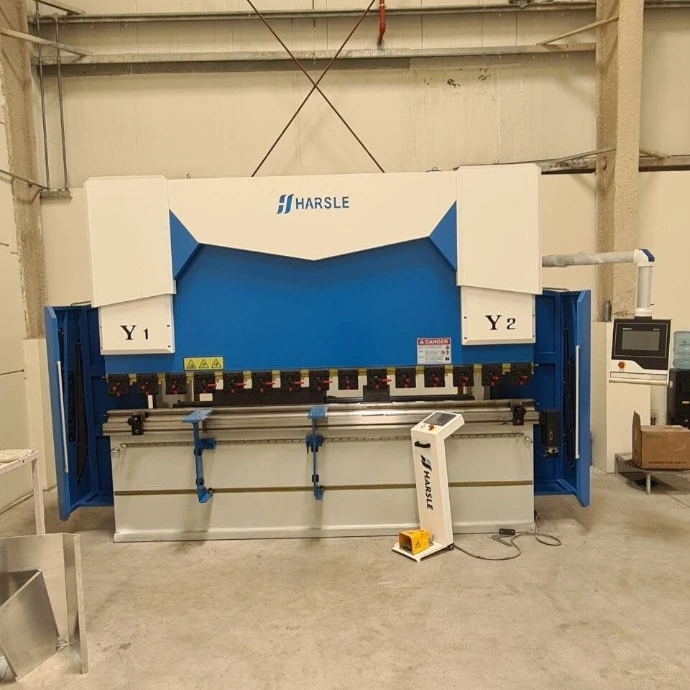
CNC bending is the automated forming of sheet metal on a press brake controlled by a computer program. The sheet sits between a punch and die, and the machine bends it to the programmed angle. Engineers input angles, radii and sequences into a CNC bending system, and the machine executes them with minimal human intervention — reducing error, improving repeatability and speeding production, ideal for tight-tolerance industries.
Feature | CNC bending | Traditional bending |
Accuracy | High, repeatable | Variable, operator-dependent |
Setup time | Low (pre-programmed) | High (manual adjustments) |
Operator dependency | Minimal | High |
Repeatability | Excellent | Inconsistent |
Ideal for | Volume, precision parts | Small runs, simple parts |
Advantages of CNC bending
● Superior accuracy and consistency — programmed bends stay accurate across any batch size.
● Faster setup and shorter lead times — CAD files replace manual die setup and testing.
● Efficiency in mass production — hundreds of identical parts with minimal supervision.
● Lower labour dependency — less manual measuring and alignment, lower cost and error.
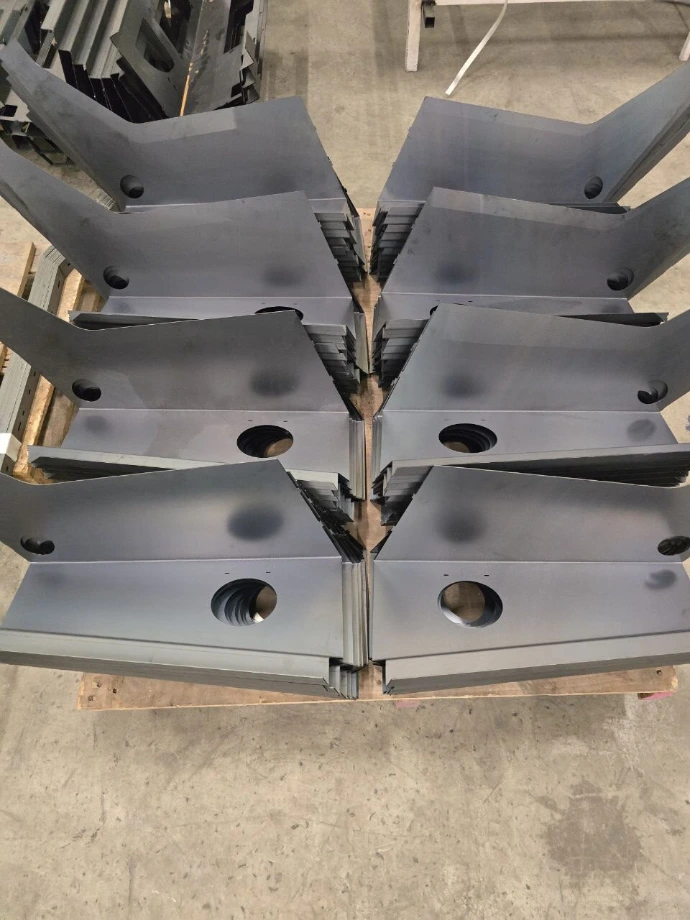
● Complex designs — geometries difficult or impossible to replicate manually.
When traditional bending may still be better
● Low-volume jobs — for a handful of parts, manual bending avoids setup and programming time.
● Quick on-the-spot adjustments — simple brackets or field modifications can be faster by hand.
● Lower initial equipment cost — a manual press brake is more feasible for smaller shops.
● Less training required — mechanical skill without programming.
● Artistic and custom work — hands-on control for decorative or restoration work.
Environmental considerations
CNC bending's precision reduces scrap by getting parts right the first time. Faster cycles and fewer trial-and-error setups can lower energy use per part, and automation reduces operator fatigue and injury risk. Precise control also means longer service intervals and less maintenance — aligning well with sustainable-manufacturing goals through waste reduction, energy savings and safety.
The smart choice
If your project demands precision, scale and consistency, CNC bending is the go-to; for small-scale or creative work, traditional methods still add value. Morshedi offers both under one roof to help you make the most cost-effective decision — contact us to discuss your project.