

When estimating metal fabrication cost, most businesses focus on materials and production time — but installation factors often have an equal or greater impact. Site access, measurements, finishing, documentation and on-site challenges all influence the final budget.
Dubai projects range from high-rise towers to complex industrial facilities, so precision planning is critical: small miscalculations in measurement or logistics lead to delays, extra labour and rework. Here is how installation factors affect metal fabrication cost, and how planning prevents unnecessary expense.
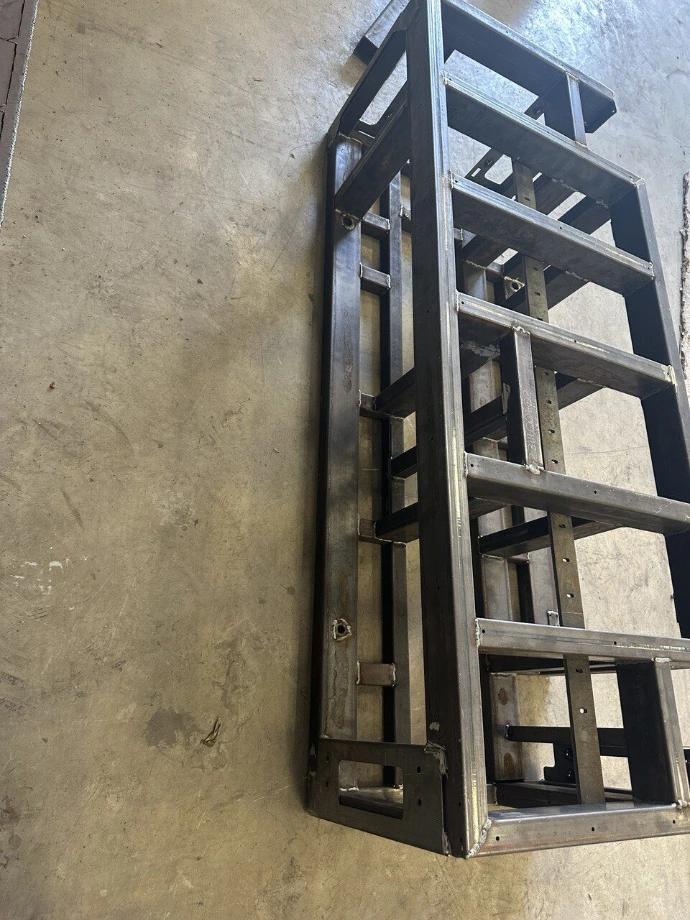
Accurate site measurements
Inaccurate measurement is a common cost driver — even a few millimetres decide whether a component fits or needs modification. Dubai work often involves retrofitting into existing structures, where uneven surfaces or obstructions cause alignment issues. Inaccurate measurements can mean re-cutting or re-bending, on-site welding adjustments, extended timelines and extra transport and labour. Proper surveys and technical assessment reduce these risks.
Material selection and thickness
Steel, stainless steel and aluminium each carry different pricing and performance. Thickness affects processing time, cutting speed, bending precision, welding and handling effort — heavier material may need more equipment during installation. Raw prices also fluctuate with global supply, so working with an experienced fabricator helps find cost-effective alternatives without compromising integrity.
Project complexity and design
A simple bracket needs far less machining and installation effort than a multi-component structure. Multiple bends, tight tolerances, intricate welds and custom prototypes all raise cost. A Design-for-Manufacturability approach reduces unnecessary steps and installation errors — the same principle behind smart fabrication for large construction projects.
Labour and skilled workforce
Skilled welders, CNC operators, engineers, inspectors and installers are essential. Labour cost depends on skill level, project duration, installation environment (height, confined spaces) and machine setup. High-rise installations may need extra safety measures and lifting equipment. Harder materials and complex shapes take longer on the cutting and bending systems, affecting price.
Documentation and compliance
Industrial, infrastructure and government contracts may require documentation — material traceability, inspection reports and quality-control records — which adds time and administrative effort but supports reliability, safety and durability. A fabrication partner with established quality systems streamlines this and avoids delays.
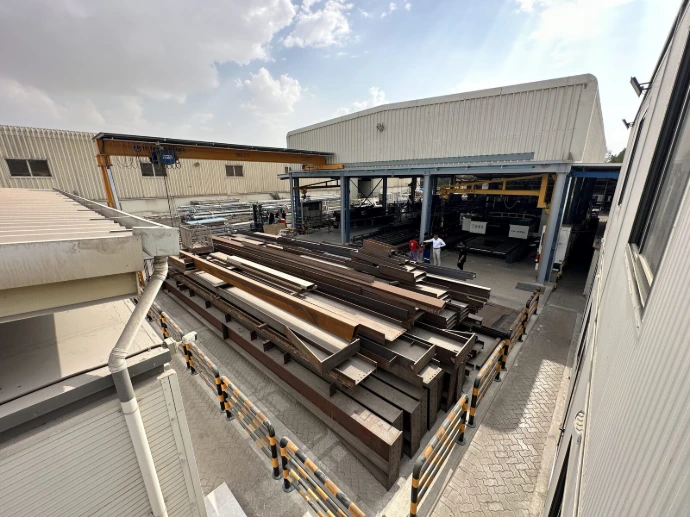
Finishing, logistics and site access
Finishing is often underestimated: powder coating, painting, galvanizing, polishing or plating each have preparation requirements, and corrosion-resistant coatings are essential in Dubai's coastal environment. Delivery matters too — large structures may need custom packaging, heavy transport or crane lifting, and cost rises when site access is limited, night permits are required, or components are delivered in stages. Planning logistics early keeps costs under control.
Installation challenges on site
Every site has unique challenges — uneven floors, limited workspace, coordination with other contractors, weather and height restrictions. When complications arise unexpectedly, extra labour and equipment are needed, so thorough pre-installation assessment reduces the risk.
Why businesses trust Morshedi
Morshedi minimizes rework through accurate consultation, technical assessment, detailed engineering, advanced CNC precision and structured quality inspection before delivery. Founded in 2022 and led by a team with over 20 years in the metal industry, we deliver premium fabrication backed by technical expertise. Our capabilities include CNC laser cutting, CNC tube laser cutting, high-accuracy CNC bending, MIG and laser welding, a structured process from consultation to delivery, and strict quality inspection for dimensional accuracy.
Reduce your fabrication costs
From accurate measurement to material optimization and structured workflows, every stage influences your total cost. Morshedi focuses on minimizing errors and preventing rework — see also the hidden costs in metal fabrication, or request a quote.
FAQs
What affects metal fabrication cost the most?
Material type, thickness, design complexity, labour, finishing, documentation and installation challenges.
How can I reduce rework cost?
Accurate site measurement, proper design review, and working with an experienced fabricator.
Does installation increase cost?
Yes — site access, lifting equipment, labour conditions and on-site challenges all add to it.
Why does thickness affect price?
Thicker material needs more machine time, energy and handling effort.
Are finishes necessary?
In many Dubai projects protective finishes are essential against corrosion, especially near the coast.