

On a Dubai construction site, deadlines are tight and precision is non-negotiable — and one of the most critical choices comes long before the first spark: selecting the best metal for fabrication. It is about performance under pressure, resistance to the harsh GCC climate, and compatibility with technologies like CNC bending and tube laser cutting.
Founded in 2022 and led by a team with over 20 years of experience across the GCC, Morshedi helps engineers and builders navigate this choice. This guide walks through how to choose the best metal for fabrication so you can make smarter material decisions.
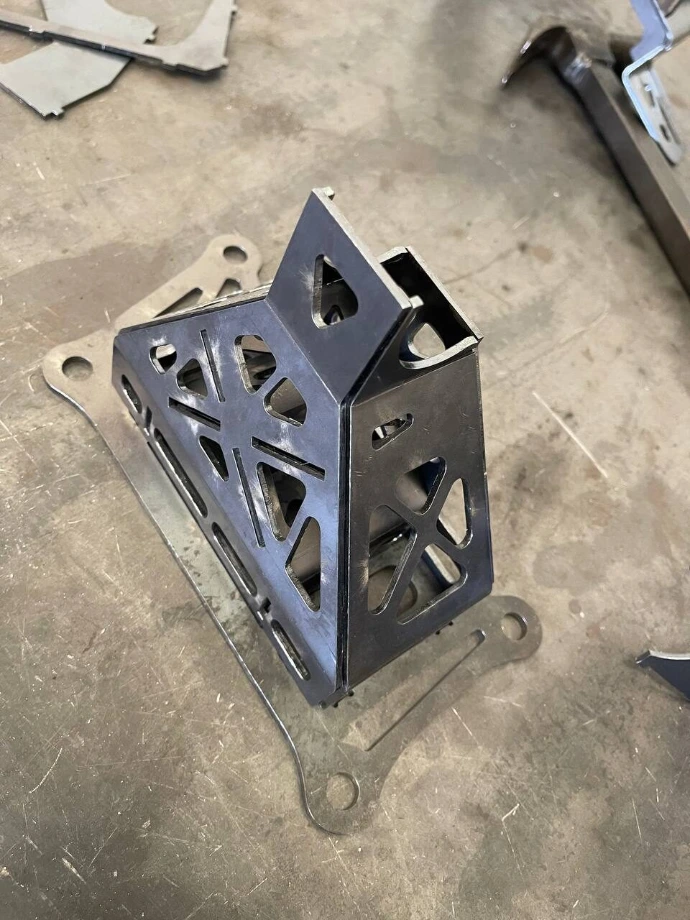
A note before you begin: even the right metal can be let down by the wrong forming method — see CNC bending versus traditional methods.
Why the choice matters
Metal choice affects every stage — design, production, delivery and durability. In the GCC, humidity, heat and sand erosion challenge structural integrity and corrosion resistance, so the goal is a metal that excels under specific conditions, not just one that works. Even stainless steel may need specific finishing in high-salinity coastal air, and softer metals like aluminium demand different bending tolerances than cold-rolled steel.
Key factors to consider
● Mechanical properties — tensile strength, ductility and hardness determine how the metal performs under load and wear.
● Environmental conditions — heat, salty air and sandstorms favour corrosion-resistant metals such as stainless steel 316.
● Fabrication compatibility — mild steel is highly weldable and bends well; aluminium may need special welding techniques.
● Cost vs. performance — balance upfront price against maintenance; galvanized steel often hits the sweet spot.
● Standards and compliance — confirm the metal meets the industry and regional requirements for your sector before fabrication begins.
Common metals used in fabrication
Stainless steel. Excellent corrosion resistance (grades 304 and 316), strong, durable and attractive for exposed work — ideal for coastal construction, medical and food-grade, and high-temperature environments. Dearer than mild steel and heavier than aluminium.
Aluminium. Lightweight (about a third the weight of steel), naturally corrosion-resistant and easy to machine — ideal for lightweight frameworks, decorative panels and HVAC ducts. Softer and less strong than steel, and needs special welding.
Mild (carbon) steel. Versatile, affordable, highly weldable and machinable, compatible with most methods — ideal for construction beams, frames and automotive parts. Needs protective coating against corrosion.
Galvanised steel. Carbon steel with a zinc coating for better corrosion resistance — a smart, affordable choice for outdoor and semi-corrosive environments such as fencing, brackets and piping.
Specialty metals such as titanium offer strength-to-weight advantages for aerospace and medical work but are costly and difficult to fabricate — worth knowing about, though most construction and industrial work uses the four above.
Match the metal to your project
Project type | Ideal metal(s) | Key consideration |
Marine / coastal | Stainless steel 316, aluminium | Corrosion resistance |
Structural building | Mild steel, galvanized steel | Strength, cost-effectiveness |
High temperature | Stainless steel | Heat resistance |
Lightweight design | Aluminium | Weight savings, strength |
Define the environment, determine structural requirements, check fabrication compatibility, weigh budget against maintenance, and verify any regulatory requirements — then the right metal follows.
Make the right choice with Morshedi
The best metal is not the strongest or cheapest, but the one that best fits your project's requirements and environment. Morshedi combines experience with modern fabrication to guide the choice and deliver components that last. Explore our services, or get in touch to discuss your next project.