

Planning a metal fabrication or structural project usually means understanding laser cutting cost. Price moves with several factors, but material thickness is one of the most important — thicker material makes the machine work harder, takes longer, and costs more.
Morshedi specializes in sheet laser cutting, tube cutting, CNC bending, welding and metal fabrication for industrial and construction projects. Here is how thickness affects the laser cutting cost per metre, and what to know when budgeting.
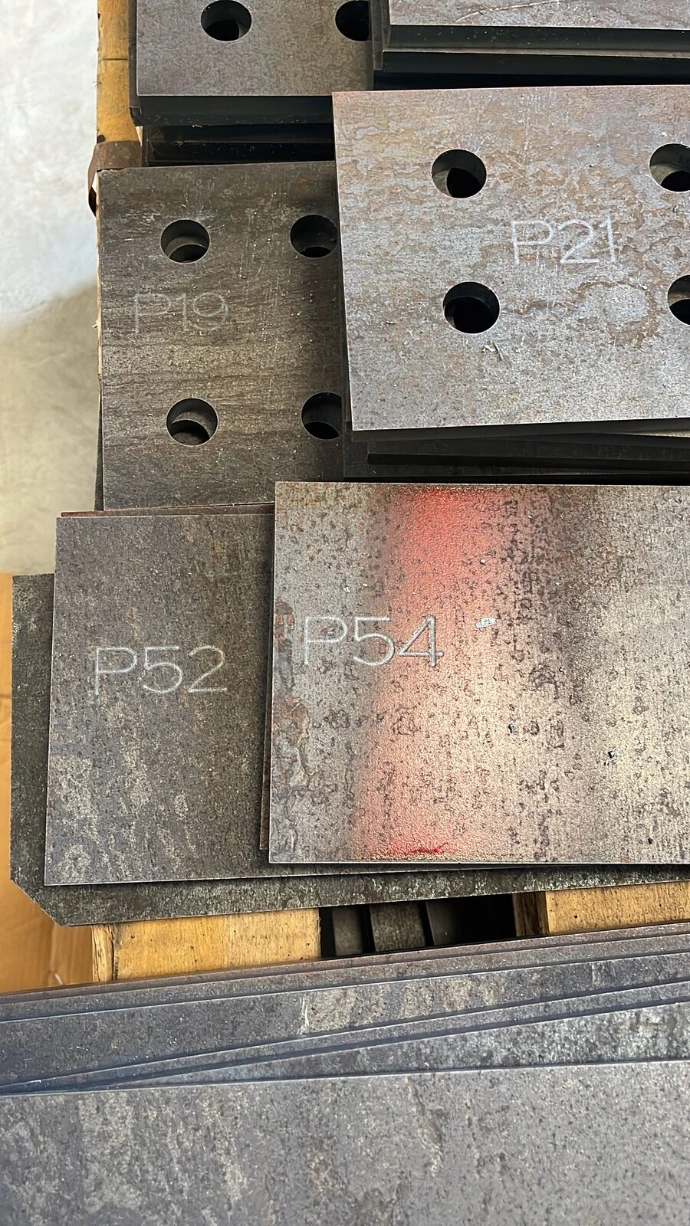
What determines the laser cutting cost
Material type — different metals such as steel, aluminium and stainless steel need different power and cutting speeds.
Material thickness — thick metal needs higher power and slower cutting, raising cost.
Cutting length and complexity — longer cuts and complex designs increase cost per metre.
Production quantity — larger runs lower the cost per unit by spreading setup.
Why thickness affects the rate
Thin material is cut quickly; thicker material needs slower, more precise cutting. Sheet, beam and tube cutting all adjust for accuracy and safety as thickness grows, which raises the cost.
Thickness and the sheet laser cutting price
Thin sheets used for decorative panels or light components cut quickly and keep cost low. Thicker sheets for structural parts take longer and need precise cutting, raising cost. Sheet work usually involves more than cutting — after laser cutting, parts go on to CNC bending and welding to make finished frames, enclosures and architectural components, so the cutting cost is one part of the budget.
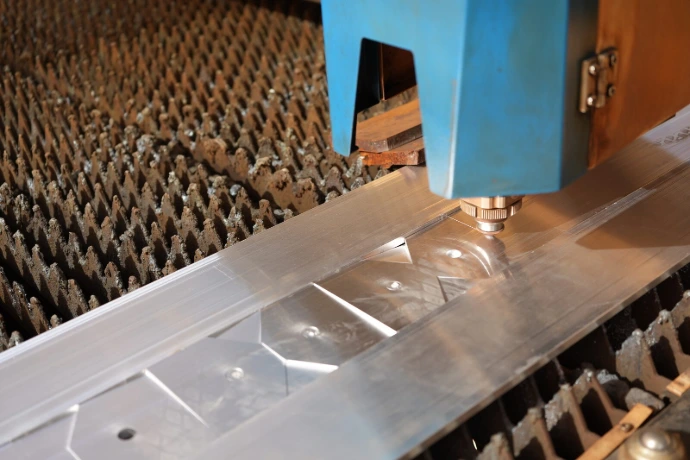
Cost per metre, and steel thickness
For many industrial projects, cost is calculated per metre: thinner material is cheaper per metre, thicker material more expensive, and the same principle applies to pipes, tubes and beams. Steel is a key structural material, and its thickness drives cost — thin steel cuts fast, while thick plate for structural frameworks, machine components and platforms needs more powerful, slower cutting. Any added steps such as bending, welding or assembly raise the total.
How to reduce laser cutting cost
● Select the right material thickness for the job.
● Optimize designs to cut unnecessary cutting paths.
● Plan downstream steps such as bending or welding in advance.
● Produce components in batches where possible.
It also helps to draw on the experience of a fabrication partner to pick the most efficient process and material. For more on what drives a quote, see the factors that affect laser cutting cost.
Plan your project with the right solution
Thickness affects speed and power directly, so the sheet price and cost per metre vary by metal type and thickness. Considering this early helps balance performance, strength and cost. Morshedi supports a wide range of metal cutting and fabrication needs — request a quote.
FAQs
What determines the cost of laser cutting?
Material type, thickness, design complexity, cut length, and added services such as welding and bending.
How does thickness affect sheet cost?
Thicker material takes more time and power, so it costs more.
Is laser cutting priced per metre?
Often yes, with thicker material costing more per metre.
Why is steel cutting dearer than aluminium?
Steel needs more power and slower cutting for a clean edge.
Do other services change the total?
Yes — CNC bending, welding or fabrication add to the project cost.