

Laser cutting is one of the most sought-after fabrication methods across construction, manufacturing, signage, architecture and automotive — accurate, fast and low-waste. Naturally, clients want to know what a job costs and why quotes differ from project to project.
Laser cutting is not a flat rate. It is calculated from material, design, processing time, finishing and other job factors. Understanding these helps you budget and get fair value — and it starts with our laser cutting service.
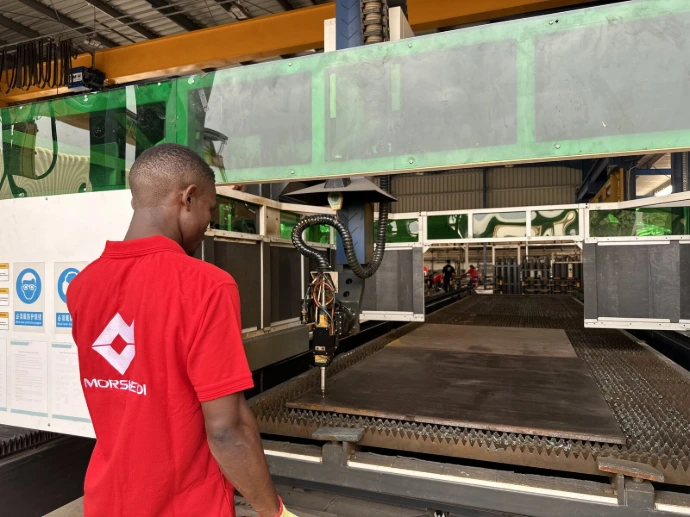
Why pricing varies
Every job is unique. Two similar-looking parts might need different speeds, gases and finishing, and machines vary in power, running cost and tolerance. Rather than a single universal price, it is better to understand how each factor shapes your quote
Material type and thickness
Material is the single biggest price driver. Stainless steel and aluminium need different assist gases and cutting speeds, and heavier material is harder to cut and uses more energy and gas. That is why thin plate is quicker and cheaper than thick plate, which demands more power.
Design complexity
Lasers handle everything from simple rectangles to delicate screens and artwork, but complexity adds time. Curves, perforations, small text and many piercings make the machine travel farther and slow at detailed points, so decorative or architectural patterns cost more than simple shapes.
Cutting length and machine time
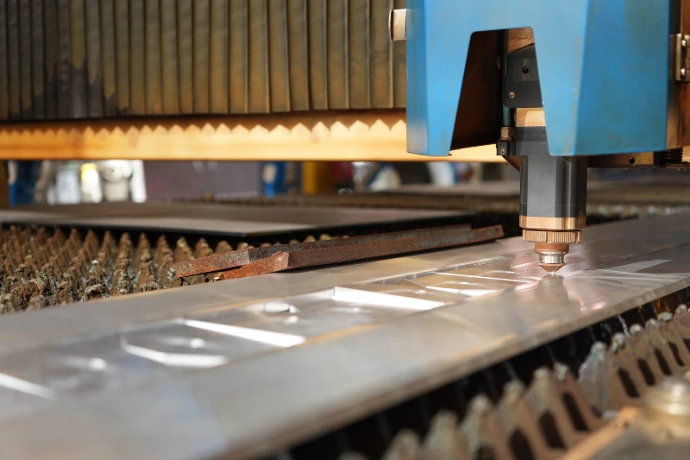
Machine time is central to pricing: the longer the laser runs, the more energy and wear. High-power machines cut faster but cost more to run; providers trade off speed and cost to give the best quote.
Order volume, finishing and waste
One-off prototypes cost more per unit because a single item is programmed, loaded and cut; bulk orders spread setup across many parts. Finishing steps — deburring, polishing, bending, welding, powder coating, threading — add cost, so discuss them up front. Good nesting (how parts are arranged on the sheet) minimizes scrap and lowers cost; poor nesting wastes material.
Pricing models and provider expertise
Across the UAE, some providers charge per part, some per hour, and many by cutting length; long profiles and repeat cuts often use a per-metre model for predictability. Advanced machines and skilled technicians may price slightly higher but deliver cleaner edges, tighter tolerances and less rework — saving money over the project lifecycle. Strong companies add design support, on-time delivery and quality beyond just price.
How to get an accurate quote
Share material type and thickness, quantity, CAD or DXF files, tolerance expectations, finishing requirements and your deadline. Clear information makes the quote match the invoice and speeds turnaround. See also how thickness changes laser cutting cost, and how automation reduces cost per part.
Reach out to Morshedi
Morshedi provides high-precision, high-speed metal laser cutting — beam, bevel, tube and sheet — for construction, manufacturing, automotive and aerospace, with clean, burr-free edges and minimal waste. Contact us for your project.